Health Promotion
On this page:
On this page:

Health Promotion Events
The Semper Fit Health Promotion Program provides health education that encourages people to incre...

High Intensity Tactical Training
The High Intensity Tactical Training (HITT) program is unique to the Marine Corps. It is a compre...
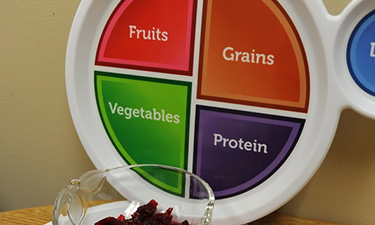
Health & Wellness Education
Wellness Educators provide resources that empower you and help you stay on track.
Group Exercise
MCCS Semper Fit offers a variety of FREE Group Fitness classes across MCB Butler. No matter what ...

Know Your Numbers Month
Take charge of your health, one number at a time.
This October, MCCS Okinawa invites you to focus on the numbers that matter most for your health — blood pressure, cholesterol, triglycerides, blood sugar, and body composition. Understanding them is one of the simplest ways to catch heart disease, diabetes, and stroke early, before they become serious.
What are the key health numbers to know?
Five measurements give you a working picture of your overall health. None of them require guesswork — here's what to ask for and what the results mean.
Blood Pressure
- Normal: less than 120/80 mmHg
High blood pressure (hypertension) increases the risk of heart attack, stroke, and other chronic conditions — even when there are no symptoms.
Source: American Heart Association, 2025Cholesterol
- LDL ("bad") cholesterol: less than 100 mg/dL
- HDL ("good") cholesterol: 60 mg/dL or higher is protective
High LDL and low HDL levels are major risk factors for heart disease.
Source: NIH — National Heart, Lung, and Blood InstituteTriglycerides
- Healthy range: less than 150 mg/dL
High levels can raise cardiovascular disease risk, especially when combined with low HDL or high LDL.
Source: CDC — CholesterolBlood Sugar (Glucose & A1C)
- Fasting blood glucose: less than 99 mg/dL
- Hemoglobin A1c: less than 5.7%
High fasting glucose can signal insulin resistance or early diabetes. The A1c test measures average blood sugar over the past 2–3 months and is a key marker for diagnosing and managing diabetes.
Body Composition (BMI, Waist Circumference, Body Fat)
Body Mass Index (BMI) helps assess whether weight is in a healthy range relative to height:
| Category | BMI Range (kg/m²) |
|---|---|
| Underweight | Less than 18.5 |
| Healthy weight | 18.5 – 24.9 |
| Overweight | 25.0 – 29.9 |
| Obesity Class I | 30.0 – 34.9 |
| Obesity Class II | 35.0 – 39.9 |
| Obesity Class III | 40.0 or higher |
Waist circumference measures abdominal fat and its associated health risks — often more telling than BMI alone.
| Group | Normal range | Increased risk |
|---|---|---|
| Men | Less than 40 in (102 cm) | Greater than 40 in (102 cm) |
| Women | Less than 35 in (88 cm) | Greater than 35 in (88 cm) |
Healthy body fat percentages vary by age, sex, and fitness level. Optimal ranges:
| Classification | Body fat % |
|---|---|
| Essential fat | 2 – 5 |
| Athletic | 6 – 13 |
| Fitness | 14 – 17 |
| Acceptable | 18 – 25 |
| Obese | Greater than 25 |
| Classification | Body fat % |
|---|---|
| Essential fat | 10 – 13 |
| Athletic | 14 – 20 |
| Fitness | 21 – 24 |
| Acceptable | 25 – 31 |
| Obese | Greater than 32 |
Why these numbers matter
Over time, even slightly elevated numbers can silently lead to chronic disease. According to the CDC and NIH:
Adults has high blood pressure, but many don't know it.
Of adults with prediabetes are unaware of their condition.
Early awareness plus simple lifestyle changes — exercise, diet, stress management, sleep — can cut chronic disease risk significantly.
Come see us
Throughout October, the MCCS Health Promotion team will be tabling at MCCS Fitness Centers across MCB Butler. Stop by to:
- Learn how to understand your health numbers
- Pick up free educational materials
- Get referrals for screenings or briefings
- Ask questions about nutrition, exercise, and more
October is also Breast Cancer Awareness & Domestic Violence Awareness Month
Breast Cancer Awareness: Early Detection Saves Lives
- Start annual mammograms at age 40 (or earlier based on risk factors)
- Perform regular breast self-awareness checks
- Know your family history and talk to your provider
- Breast cancer caught early has a 99% five-year survival rate (American Cancer Society)
Domestic Violence Awareness: Know the Signs. Reach Out.
- Abuse is not always physical — it can be emotional, verbal, or financial
- Support is confidential and available 24/7 through MCCS's Family Advocacy Program
- Call 645-SAFE (7233) or 098-970-SAFE (7233) for immediate help
- Learn more: MCCS Victim Advocacy Program
Dance for a Cause
9:30–11:30 a.m. · Camp Foster Community Center
A high-energy morning of Zumba® and MixxedFit®, community support, and survivor recognition — in honor of Breast Cancer and Domestic Violence Awareness Month.
Take the first step this October
Knowing your numbers isn't just about labs — it's about taking ownership of your health, honoring survivors, and building a stronger, more resilient community. Let's move, measure, and support each other all month long.
Prevention & Counseling – MCCS Okinawa